Landscapes Designed Around Limited Water Availability
Xeriscaping in Lubbock for properties where water conservation and low maintenance reduce costs without sacrificing curb appeal
Drought-prone conditions and rising water costs make xeriscaping a practical approach for homeowners and commercial properties in Lubbock. Lubbock's Pro Services creates water-efficient landscape designs using native and adaptive plant selections that survive on natural rainfall once established, supplemented by occasional deep watering during extended dry periods. The designs reduce water bills and maintenance requirements while maintaining year-round visual interest through texture, color, and seasonal variation.
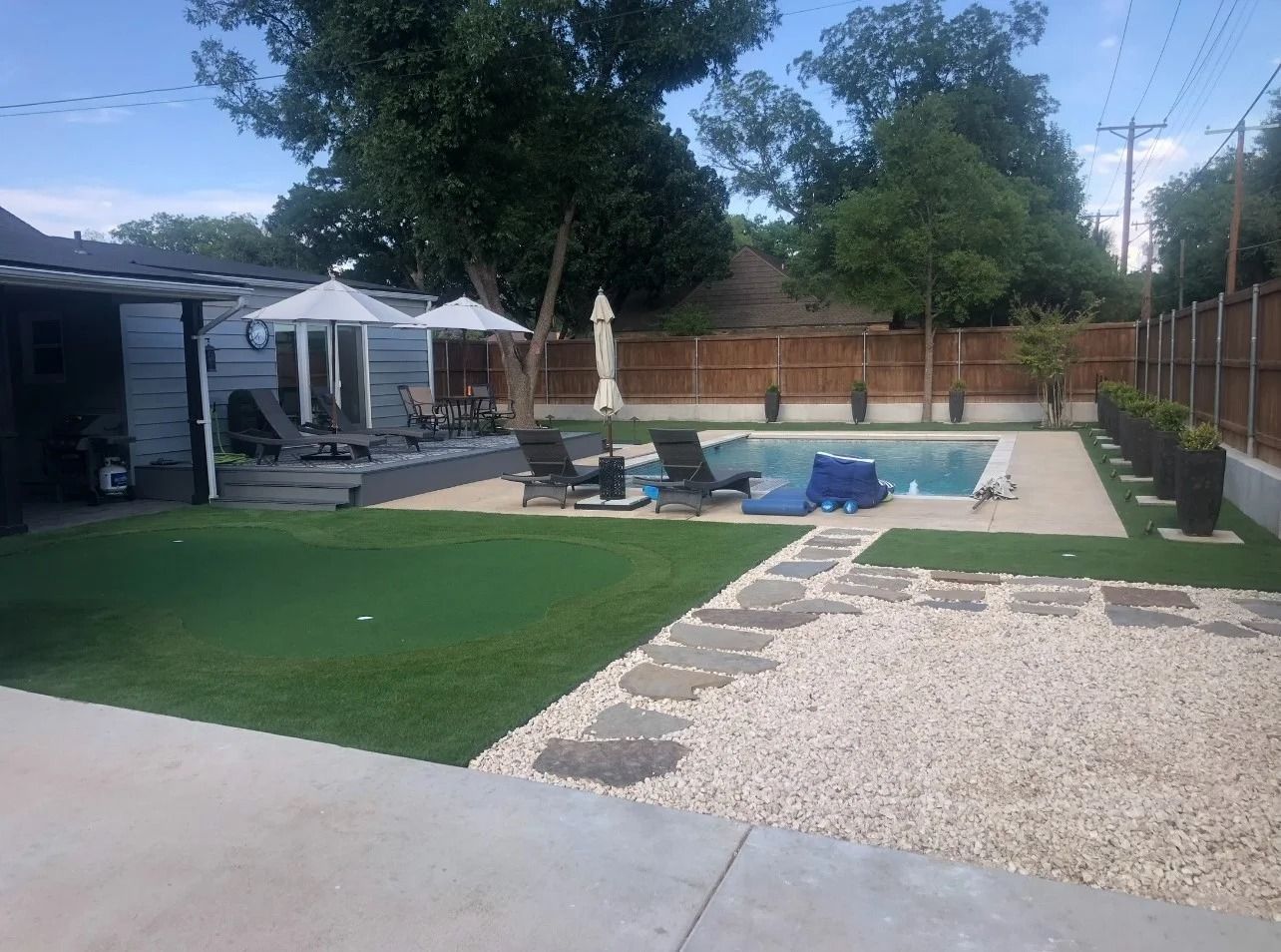
Xeriscaping involves grouping plants by water needs, using drought-tolerant species in low-water zones, and placing higher-water plants only in small, strategically irrigated areas. Hardscape elements like gravel mulch, decomposed granite pathways, and stone accents reduce planted area while adding structure and reducing weed growth. Soil preparation includes amendments that improve water retention and root penetration through caliche layers common in local soils.
Arrange a design consultation to review plant options and layout strategies suited to your property's sun exposure and soil conditions.
What Xeriscaping Actually Accomplishes Long-Term
You'll see established plantings that maintain color and structure through summer heat without daily watering, reducing irrigation dependency by seventy to ninety percent compared to traditional turf-heavy landscapes. Native grasses, succulents, and flowering perennials bloom seasonally and tolerate temperature extremes that kill non-adapted species. Mulched areas suppress weeds and moderate soil temperature, keeping roots cooler and reducing moisture evaporation.
Water usage drops significantly after the establishment period, typically within twelve to eighteen months as root systems develop. Maintenance shifts from constant mowing, fertilizing, and watering to occasional pruning, mulch replenishment, and weed removal. The landscape remains visually appealing year-round through strategic plant placement and hardscape design that provides structure during dormant periods.
Xeriscaping works well alongside irrigation system installation for targeted watering in high-visibility areas and integrates with artificial turf in zones where consistent green coverage matters more than organic growth. Design plans can include rainwater harvesting, permeable hardscapes that reduce runoff, and phased installation that allows budget flexibility while maintaining overall design coherence.
What Homeowners Usually Ask
Property owners considering xeriscaping often focus on plant selection, visual appeal, and how quickly water savings become noticeable.
What plants work well in Lubbock xeriscaping designs?
Native selections like buffalo grass, blue grama, yucca, agave, purple sage, and desert marigold tolerate alkaline soil, low rainfall, and temperature extremes. These plants establish deep roots and require minimal supplemental watering once mature.
How does xeriscaping compare visually to traditional landscaping?
Well-designed xeriscaping offers seasonal color, varied textures, and visual interest through plant diversity and hardscape elements. The appearance differs from turf-dominated landscapes but avoids the bare or dead look of neglected yards during drought.
When do water savings become noticeable after installation?
Immediate savings occur from reduced turf area and lower irrigation demand. Full savings develop as plants establish and irrigation frequency decreases, typically within one to two growing seasons depending on plant selection and site conditions.
What maintenance does xeriscaping require?
Annual tasks include pruning dead growth, replenishing mulch as it decomposes, removing weeds before they establish, and occasional deep watering during extended drought. Maintenance time is significantly lower than turf-based landscapes requiring mowing, edging, and fertilization.
Can xeriscaping work with existing landscaping or does it require complete replacement?
Phased conversion is common, starting with high-water zones and gradually replacing turf with drought-tolerant plantings and hardscape. This approach spreads costs and allows adjustment as plants establish and the design evolves.
Lubbock's Pro Services tailors xeriscape designs to balance water efficiency with aesthetic goals specific to residential and commercial properties. Call (806) 993-9391 to discuss native plant options and receive a design estimate based on your current landscape and water reduction objectives.